
Please click here for details of venue and timings of our lectures
16 Sep 2026 — AGM and the Century of Gold: Spanish art in the age of Velazquez
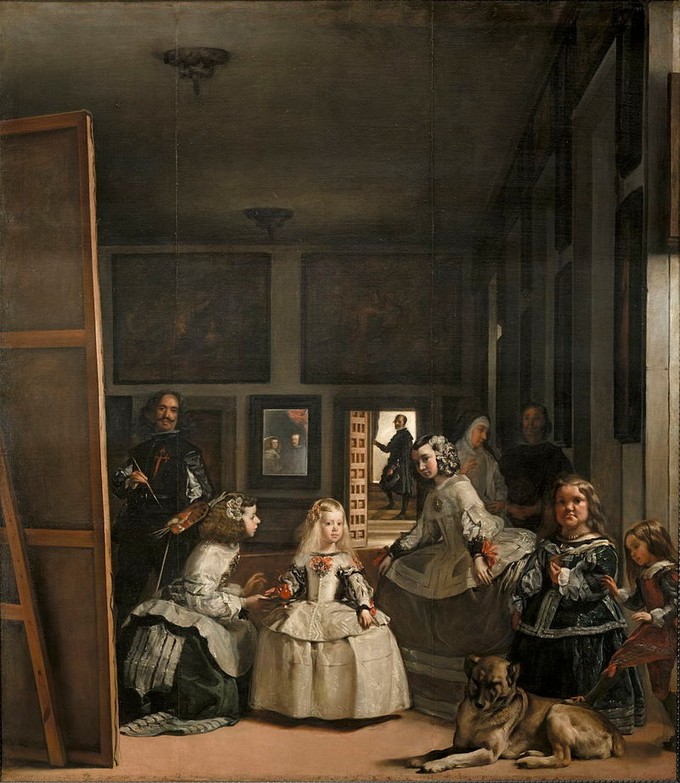 In the 16th & 17th centuries, Spain rose as the great superpower with an empire spanning the globe. This vast wealth, alongside the renewed catholic fervour of the counter reformation kickstarted the Spanish “siglo d’oro”, literally the Century of Gold – the great flourishing of painting, sculpture, literature, and music. The lecture explores this period looking at the historical movement and the vast array of art before focusing on the work of the greatest painter of the age – Diego Velazquez
Lecturer: Isabelle Kent is an academic and educator specialising in the Baroque with a particular focus on Spain and its empire. 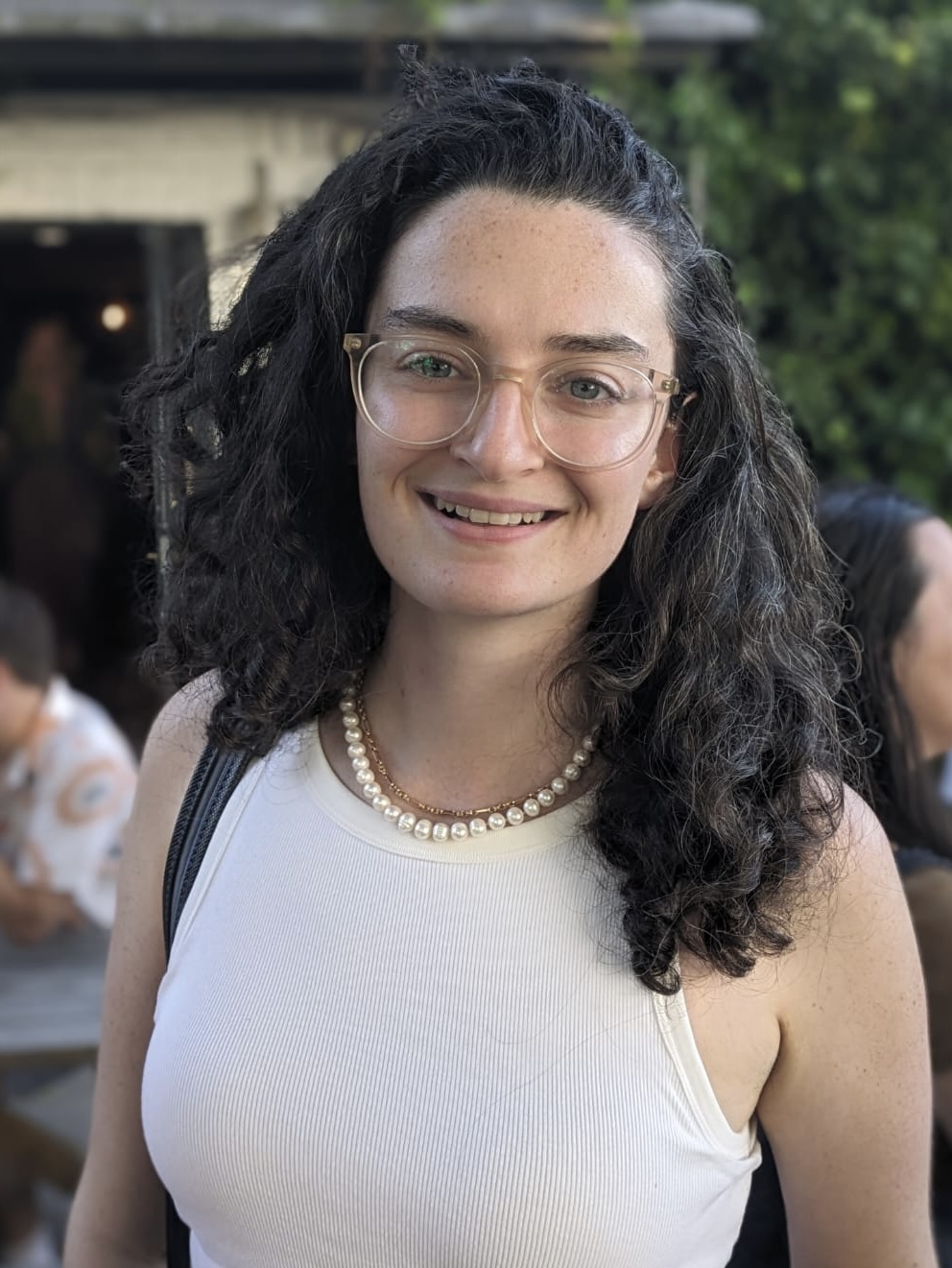 She received a BA and MPhil in the History of Art from Trinity College Cambridge, where she is currently completing her PhD on the art of Velazquez and Zurbarán. Isabelle has worked as a curatorial assistant at the Wallace Collection and in 2020 her book on Murillo was published. Isabelle is an expert guide for a travel company, leading groups in Spain and beyond. She teaches regularly at the V&A, Royal Academy, Chelsea Arts Club and University of Cambridge.
14 Oct 2026 — The Bronze Age frescoes from Santorini: The art of Atlantis
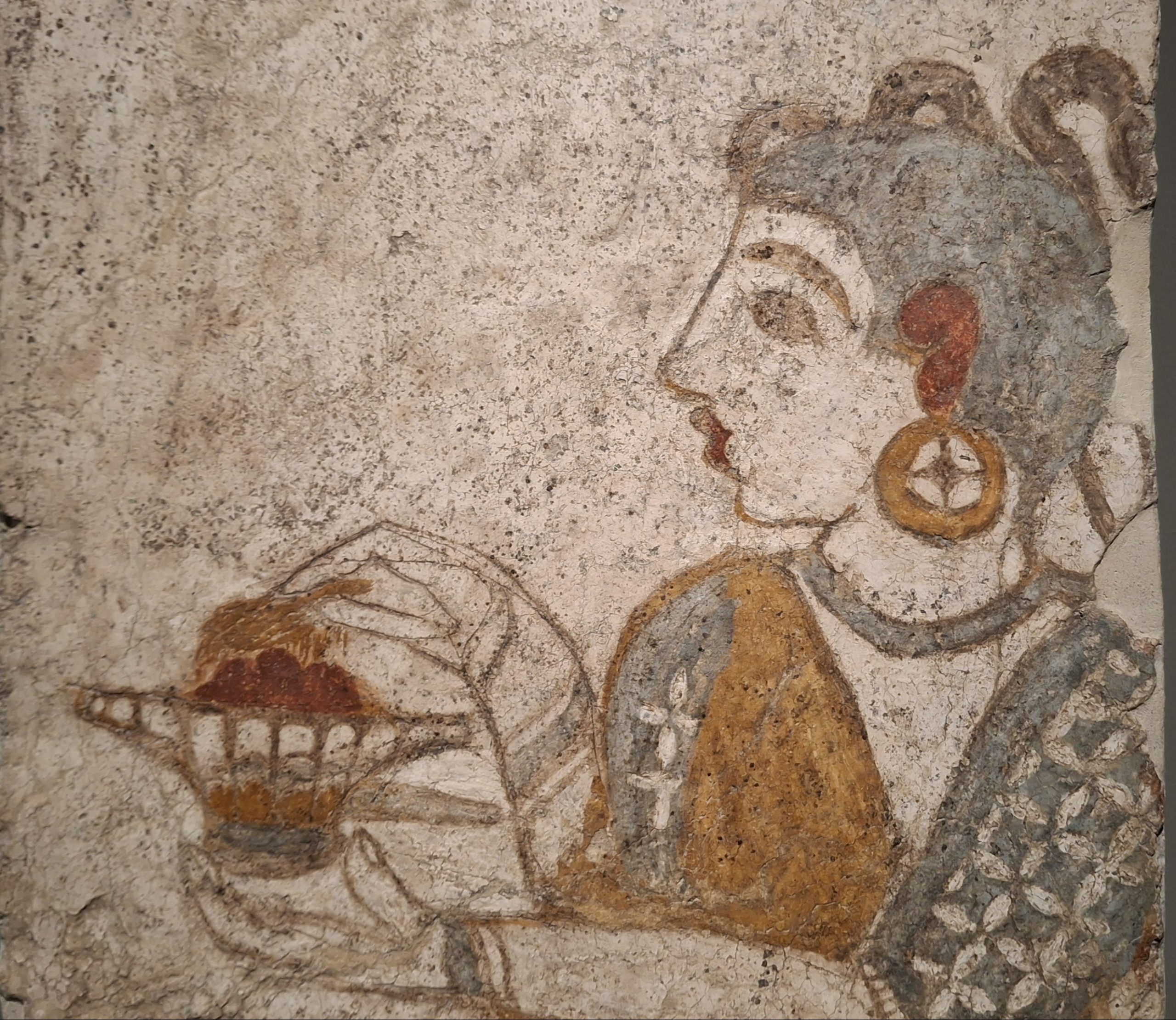 The lecture indulges in an illustrated look at some of the outstanding Greek artworks. In around 1625 BC the thriving harbour town of Akrotiri on the island of Santorini was overwhelmed by a volcanic eruption that both destroyed and preserved one of the most wondrous sets of frescoes to emerge from the ancient world. Now beautifully restored, they give insight into the style and techniques of manufacture, as well as remarkable insights into the ships, architecture, dress and jewellery of the islanders of Bronze Age Santorini. The lecture will also explore if this “Pompeii of the Aegean” could present clues to show that the legend of Atlantis was inspired by the greatest natural disaster of the ancient world.
Lecturer: Stephen Kershaw has a PhD and a special interest in the ancient Greeks and Romans, having been introduced to the Iliad in primary school. Stephen has taught Classics for most of his career, principally at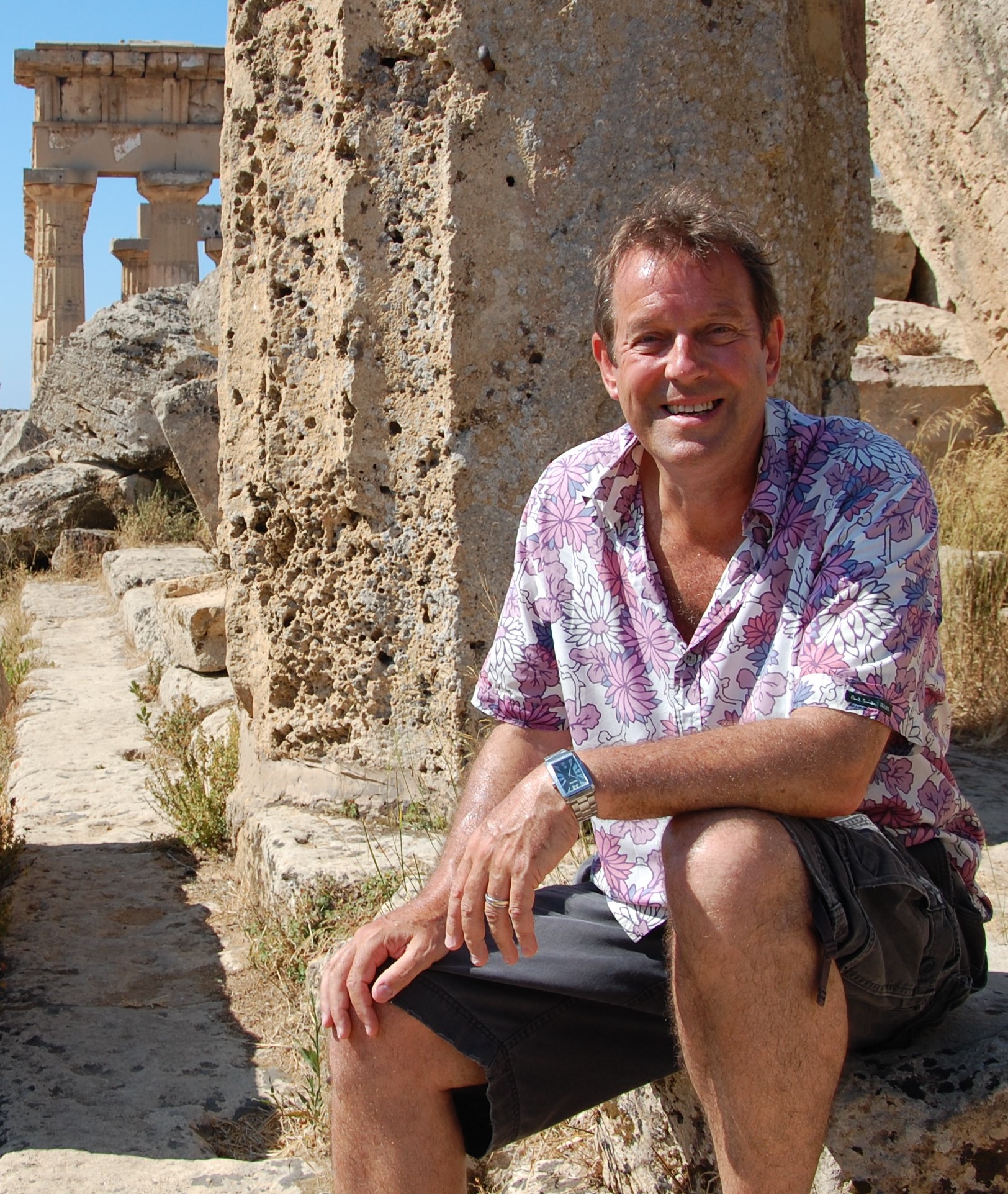 Oxford University Department of Continuing Education. He has been a guest speaker for a number of travel and cruise companies. Stephen is Professor of History of Art and has run many courses in the UK and in Europe as well as Lecturing at the V&A and New York. Stephen has published widely and has had many media appearances. Indeed, this lecture is inspired by his appearance as an expert contributor to a Channel 5 TV documentary about ruined ancient cities, In his spare time, he is a renowned Jazz double bass player.
11 Nov 2026 — Painting winter: snow scenes in art
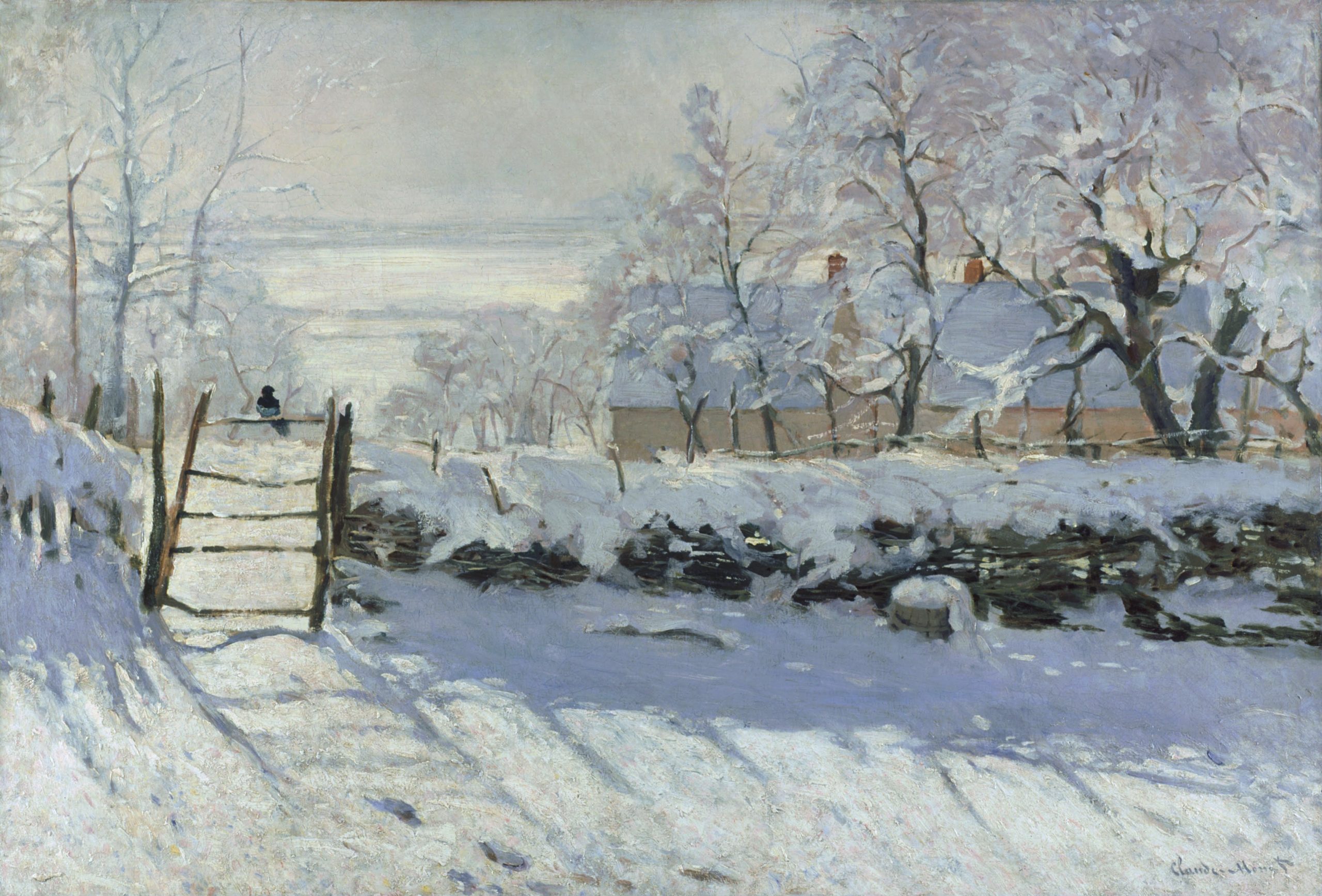 “I prefer winter and fall, when you feel the bone structure of the landscape – the loneliness of it, the dead feeling of winter. Something waits beneath it; the whole story does not show.” (Andrew Wyeth). Magical, festive, beautiful, harsh, cruel and bleak – this talk will explore the variety of interpretations of this season through the works of Bruegel, Caspar David Friedrich, Monet and Andrew Wyeth.
Lecturer: Stella Lyons is a freelance Art History lecturer, speaker and writer. 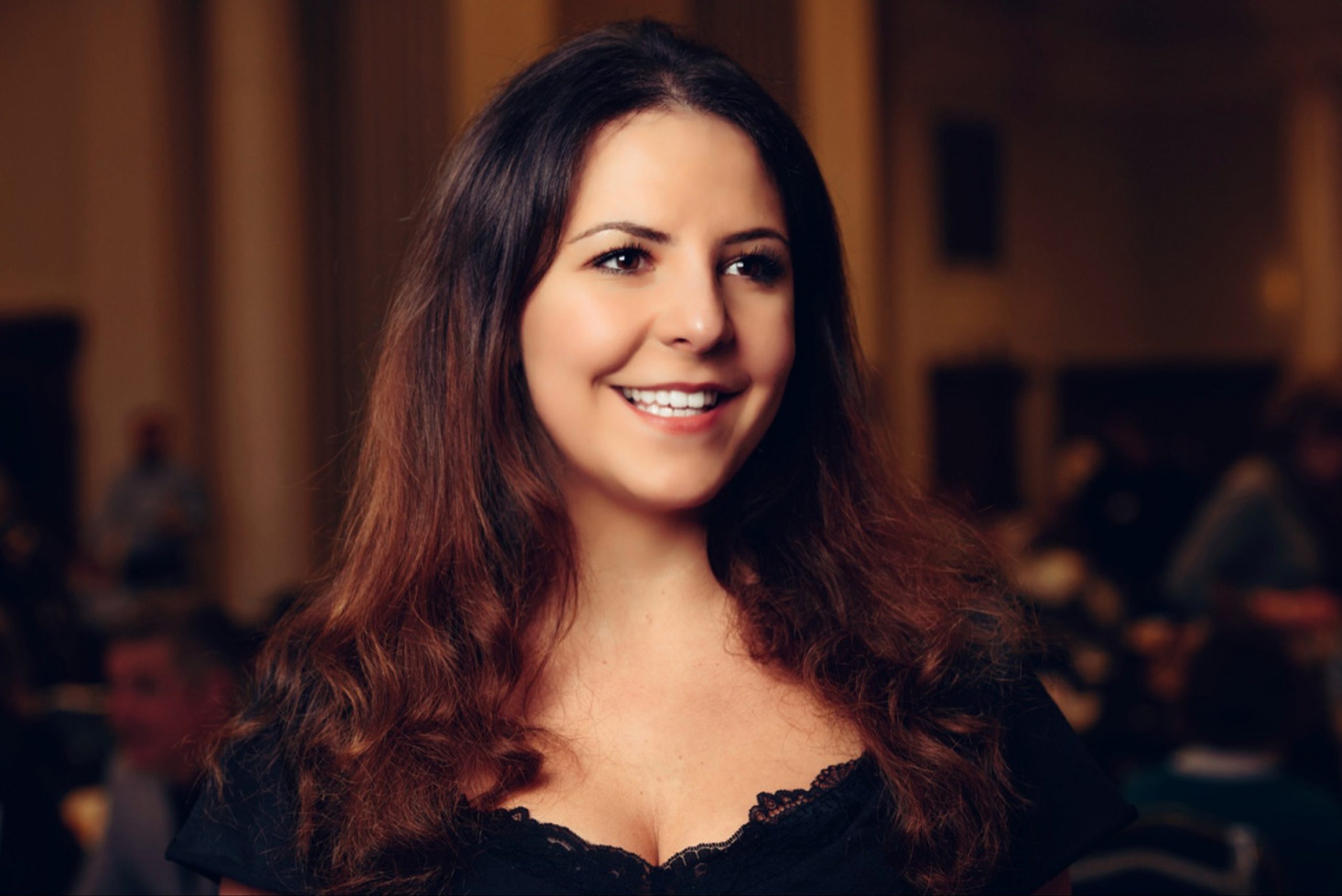 She has lectured in the UK, Ireland and across Europe. Stella studied for her BA at Bristol University in History of Art and then for an MA at University of Warwick. She travelled to Italy studying Renaissance Art in Florence and Venice. Stella lectures for a range of companies and has listeners from as far afield as California and Singapore. She has lectured for cruise companies, arts societies and private member clubs. Stella has published on Norwegian art for The Arts Society as well as an introduction to a book about the Welsh portrait painter David Griffiths at the Penarth Literary Festival.
9 Dec 2026 — From Tchaikovsky to Tin Pan Alley: uplifting music for Christmas
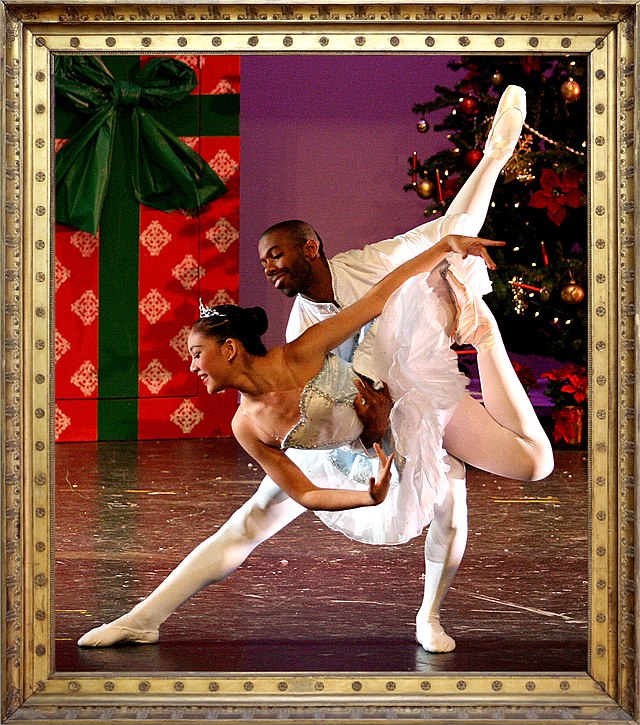 To kick off the seasonal celebrations, we have a selection of much-loved Christmas tunes. Expect an hour of the finest festive music from across the globe – selections include sparkling moments from Tchaikovsky’s ballet, The Nutcracker, a heart-warming ballad from Mel Torme, something from Soweto, a heavenly chorus from Bach, an illustration of the english carol at its finest and something more cynical from Eartha Kitt…
Lecturer: Sandy Burnett is a versatile music commentator, enjoying a career that combines broadcasting, performing and lecturing. 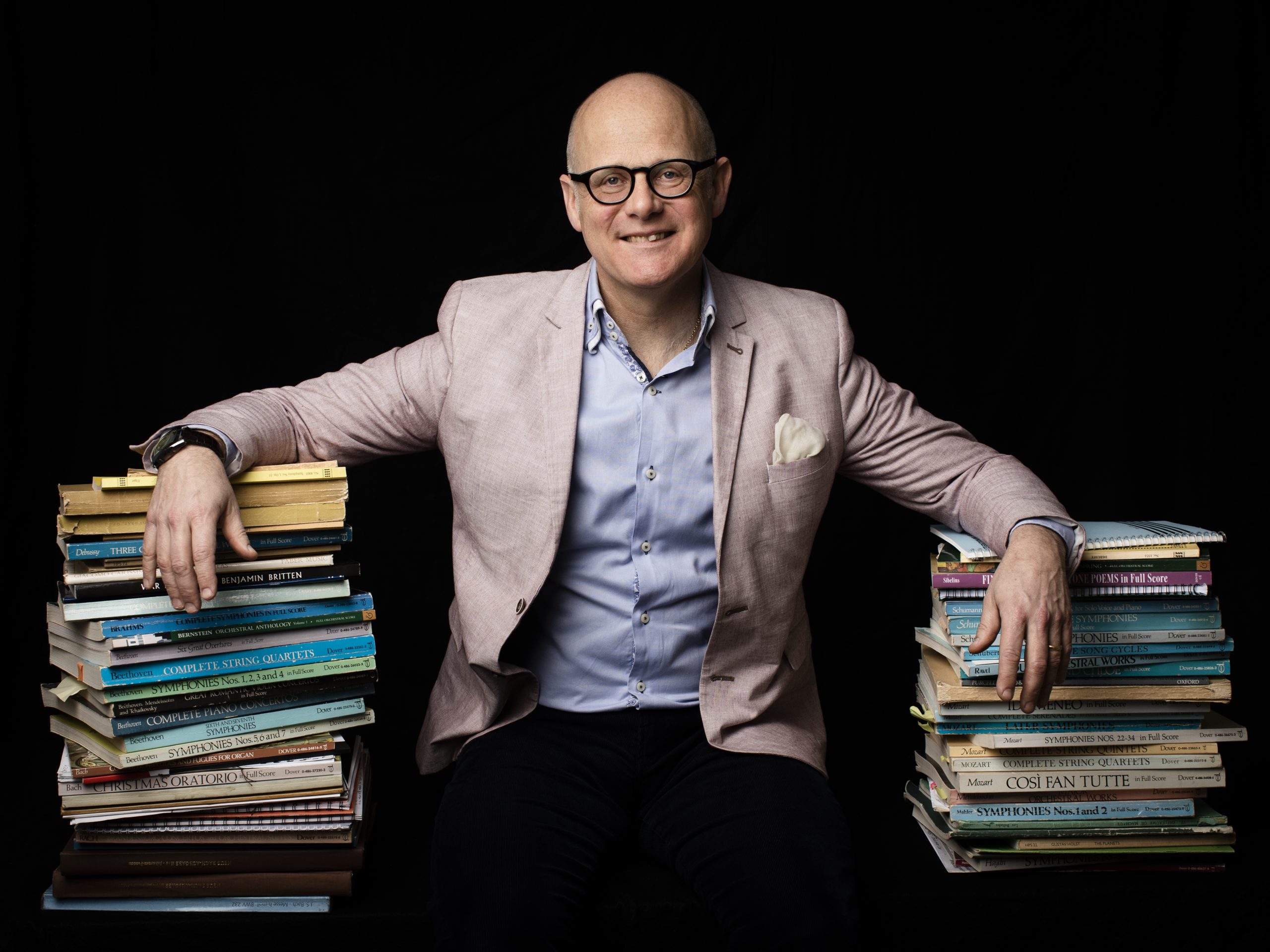 After studying at St. Catherine’s College, Cambridge, Sandy worked as Musical Director at RSC, National Theatre and in London’s West End. Sandy was one of the presenters on BBC Radio 3 and is the author of the Idler’s Guide to Classical Music. Sandy has devised and leads cultural holidays all over the world. He is a sought-after jazz double bass player and was appointed to the Academy of Ancient Music and Hogwood Fellow for the 2018-2019 season.
13 Jan 2027 — Sinew, sex and synapse: the life and art of Egon Schiele
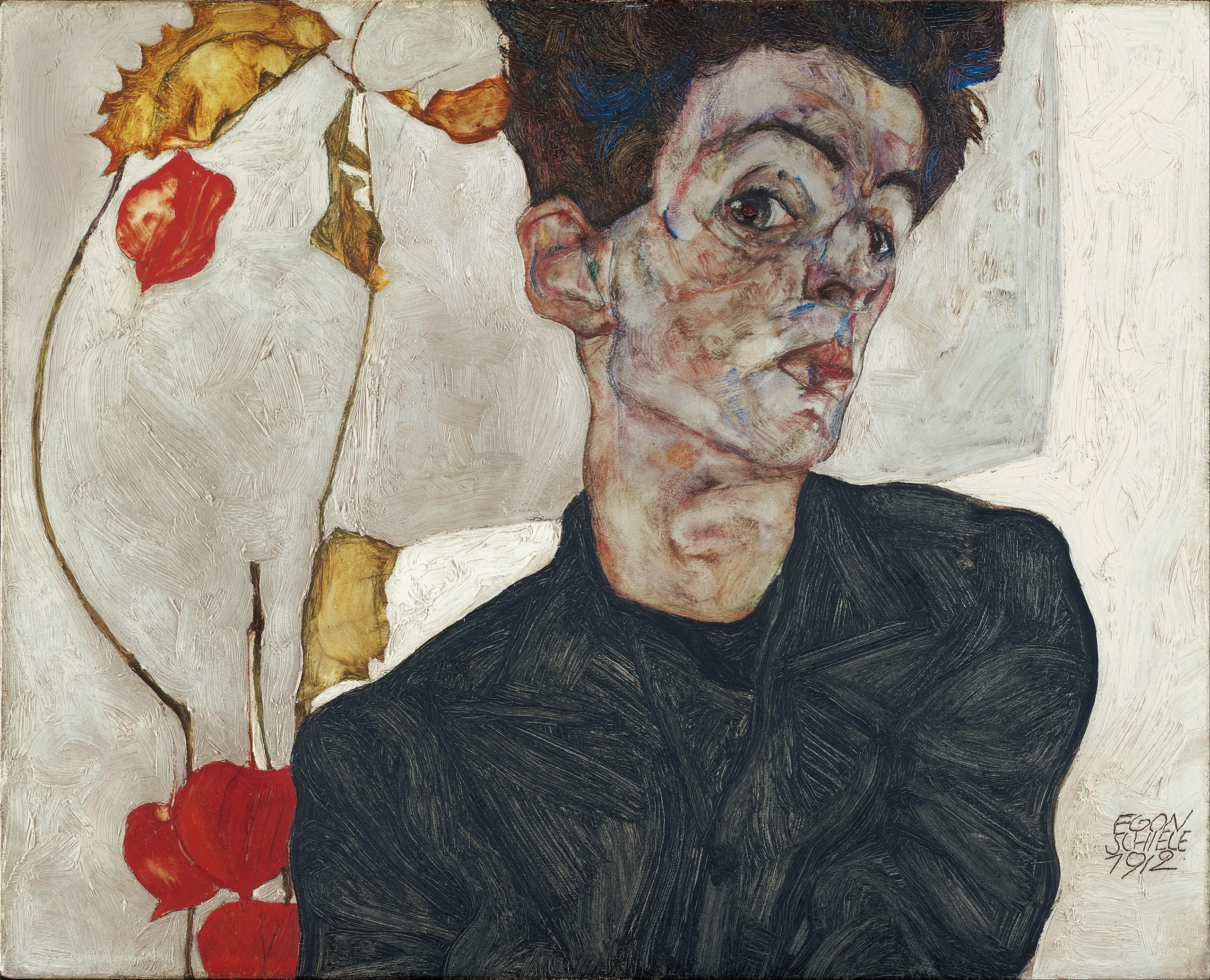 Born in a railway station north of Vienna, Egon Schiele became the imperial capital’s most shocking artist. Defying the authorities, the Academy of Fine Arts and the curvilinear lines of his idol Klimt’s art nouveau, Schiele created his own brand of artistic expression. He got to the very core of human emotion and the restive experience of life at the beginning of the 20th Century. Looking at strained portraits, cramped cityscapes and sparse landscapes alike, this talk surveys 28 years of tenacious creativity as well as the impact Schiele would have on artists such as Francis Bacon, Lucien Freud and Tracy Emin.
Lecturer: Gavin Plumley is a writer and broadcaster and has appeared on Radio 3 and 4. 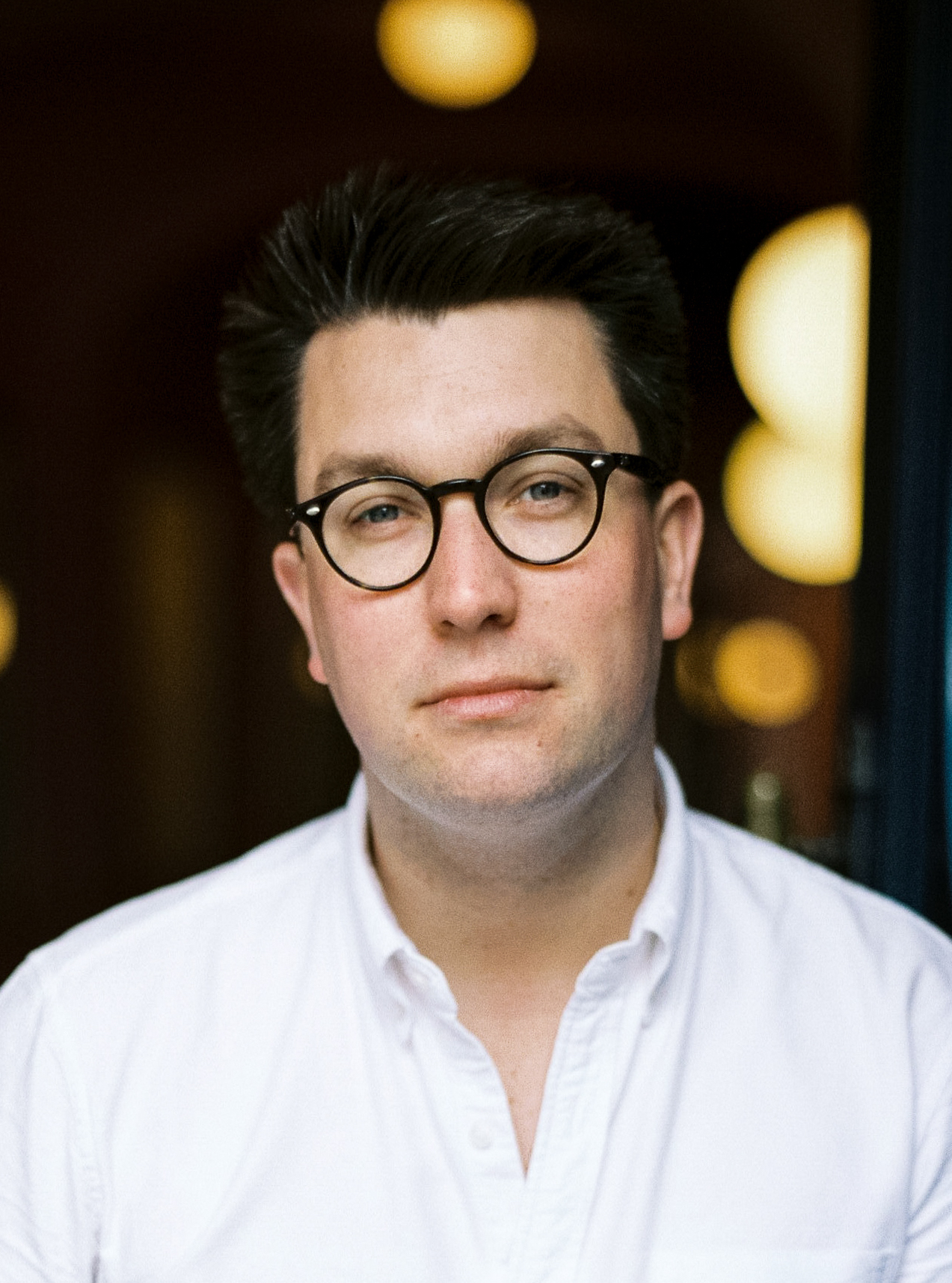 Gavin has been a contributor to newspapers, magazines and opera and concert programmes. He lectures widely about the culture of Central Europe and has given talks at Hay and Cheltenham literary festivals, at the Royal Opera House, the National Gallery, the British Museum and V&A and regularly for Arts Societies. His first book, “A Home For All Seasons” is now available..
10 Feb 2027 — Journey across the Himalayas
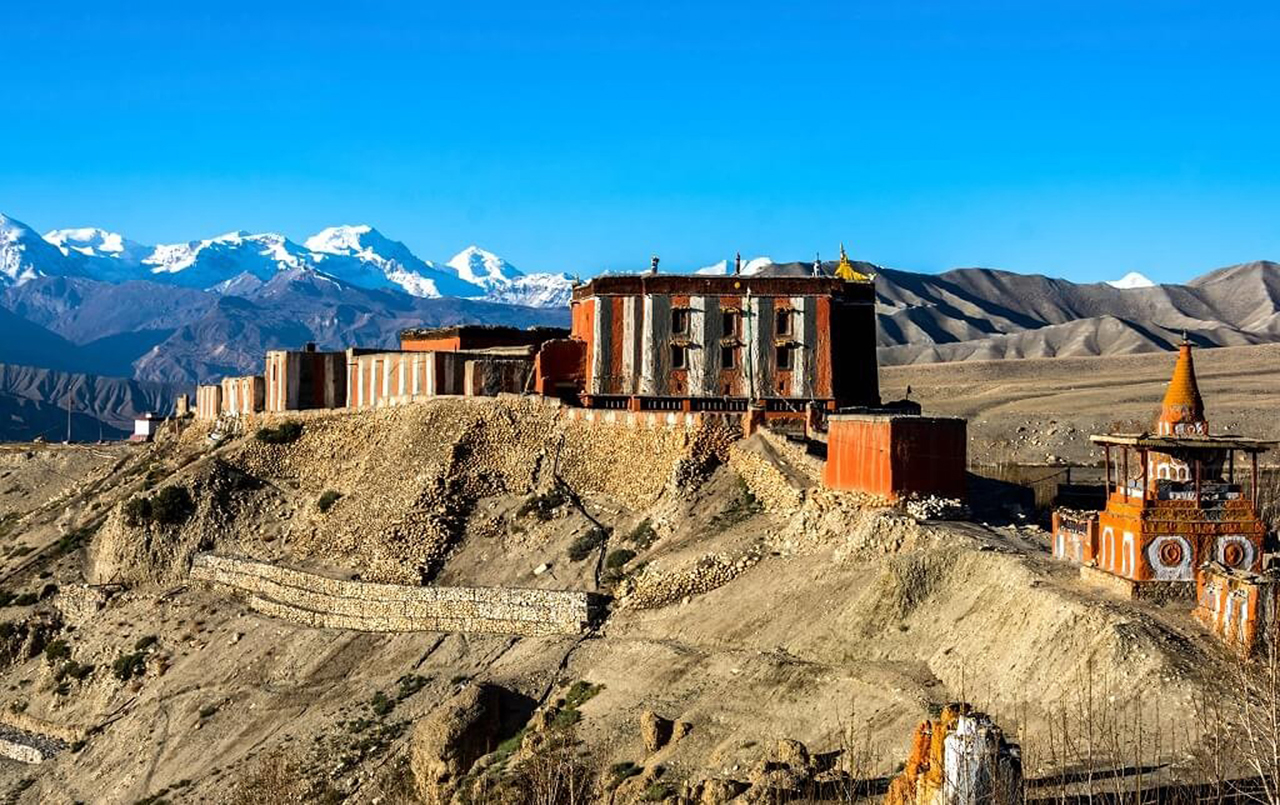 This lecture will focus on the Buddhist areas of the highest mountain range of the world, the Himalayas. The once spiritual domain of Tibetan culture and religion, spanning 2,000 miles from Ladakh in the west to Bhutan in the east. It will explore the kingdoms and principalities of Ladakh, Zanskar, Spiti, Lahoul, Nepal, Mustang, Sikkim Bhutan and their spiritual heartland of Tibet. Although isolated, they became important centres of Buddhist art and culture, housing vast repositories of sacred art in their monasteries and temples.
Lecturer: Zara Fleming is a freelance art consultant and exhibition curator specialising in the art and 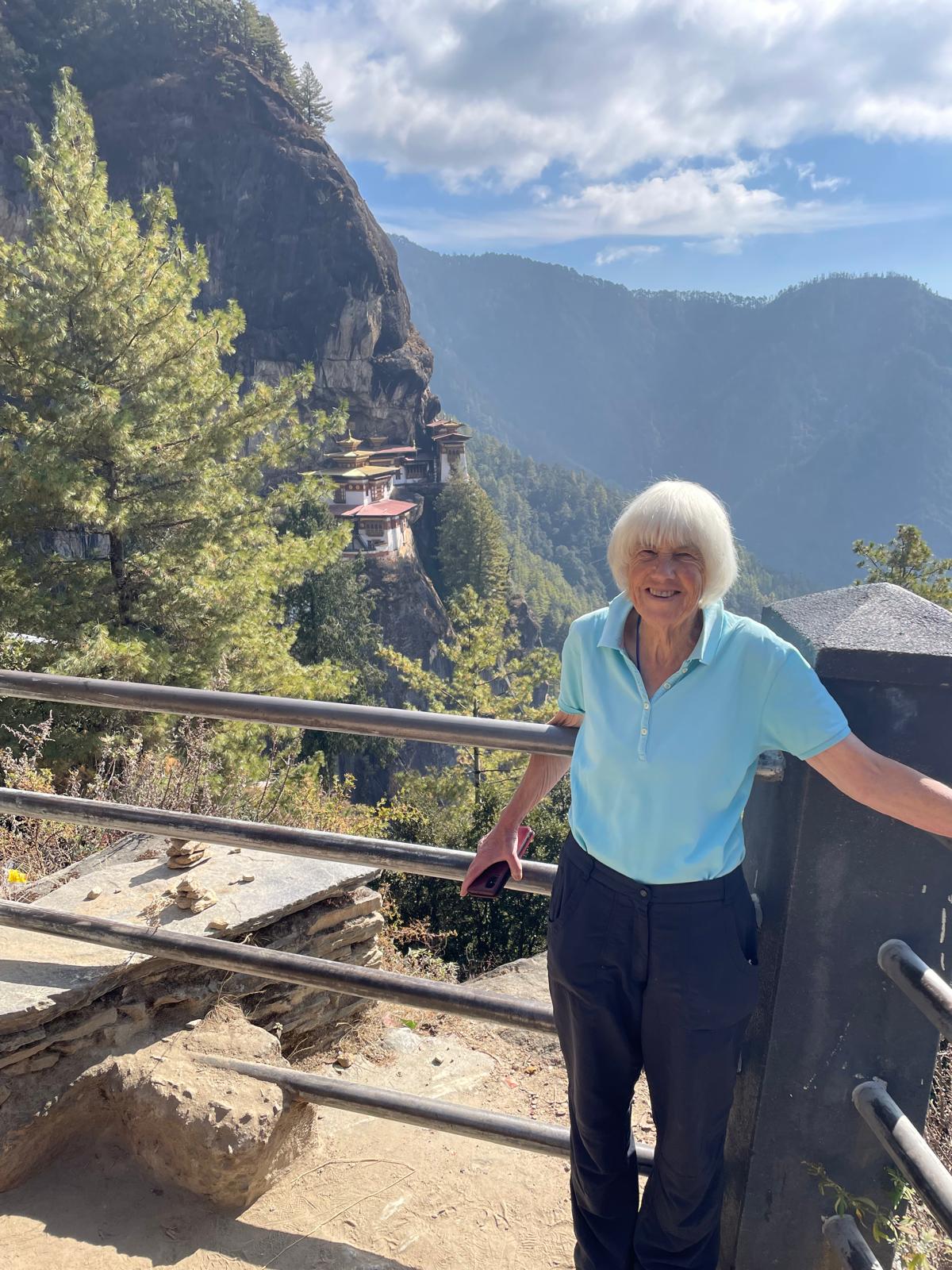 culture of Tibet, the Himalayan area and Mongolia. Initially based at the V&A, Zara also worked with the Central Asian Dept of Bonn University, the Orient Foundation, the Royal Academy, Tibet House and National Museum of Merseyside. As well as lecturing for the Arts Society, she lectures for museums, universities, Asian art societies and has been a guest lecturer for tours, guides and trips to the Himalayas. Zara has published many articles and contributed to publications on Mongolian Art and Buddhist Art and culture.
10 Mar 2027 — Rubens and women
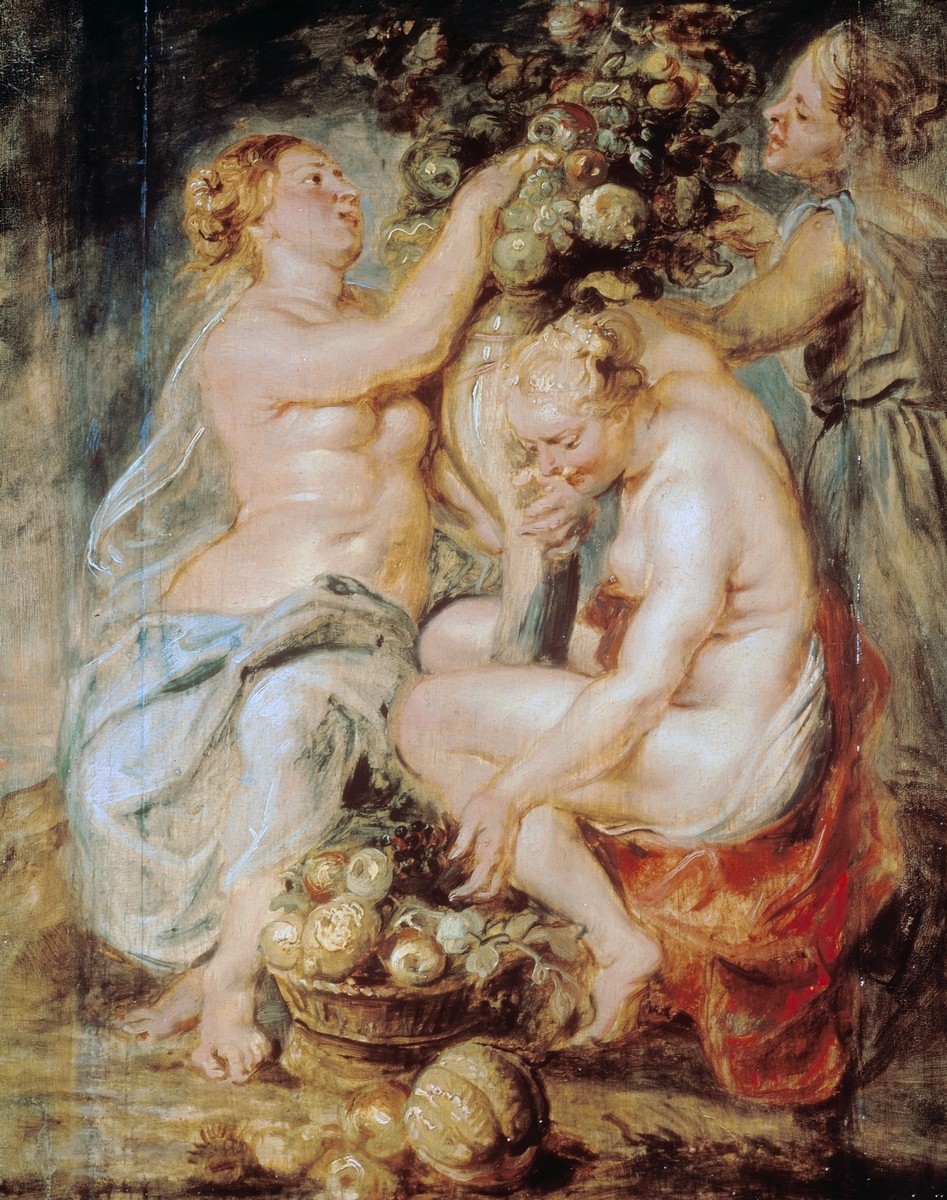 The Flemish Baroque artist, Peter Paul Rubens (1577-1640) is renowned in popular imagination as a painter of fleshy women, so much so that we even have a word in the English language, “rubenesque”, derived from his style. This lecture seeks to challenge these stereotypes by providing a nuanced view of varied and important place occupied by women, both real and imagined, in Rubens’s world.
Lecturer: Amy Orrock is a curator and art historian. She has published widely on Northern European art and has  curated many exhibitions including “Rubens & Women” (Dulwich Picture Gallery), “Cranach: Artist and Innovator” and “Bruegel: Defining a Dynasty”. She is currently National Curator of the National Trust. Amy has extensive experience in lecturing, guiding and leading talks in museums, galleries and university environments, including over three years’ experience as Gallery Educator at the National Galleries of Scotland.
14 Apr 2027 — Olafur Eliasson: playing with light
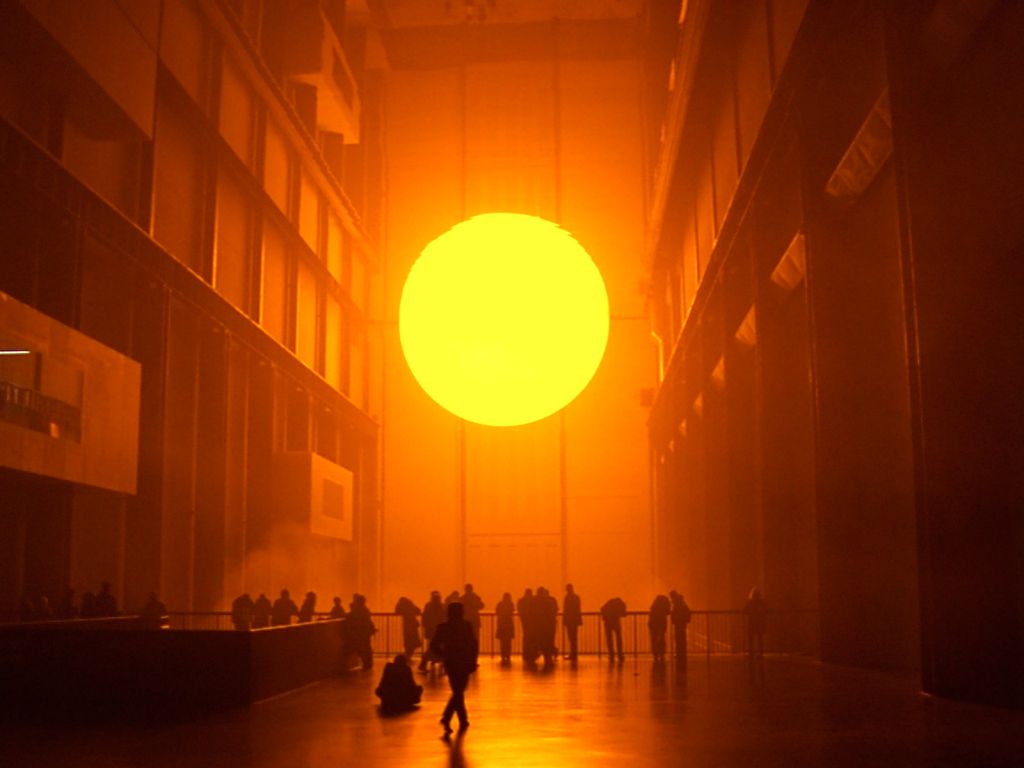 It is over twenty years since the young Icelandic/Danish artist Olafur Eliasson stunned the public with his Weather Project in the Tate Modern Turbine Hall. His extraordinary gigantic sun created its own climate inside the building and over two million people went to see it. Since then, Olafur has created hundreds of spectacular artworks around the world. He uses light, air, colour, texture and water to bring some of the drama of Iceland into urban settings. He also delivers powerful environmental and human messages. This talk is very colourful as we see highlights of Eliasson’s projects and examine his underlying philosophies.
Lecturer: Ian Swankie is a Londoner with a contagious enthusiasm for art and architecture.  Ian is an official guide at Tate Modern, Tate Britain, Guildhall Art Gallery and St Paul’s Cathedral. He is a freelance London tour guide and also leads a popular independent art lecture group in Richmond. As well as being an Art Society lecturer, Ian is a Freeman of the Worshipful Company of Art Scholars, one of the City’s Livery companies.
12 May 2027 — Diaghilev and the Ballets Russes
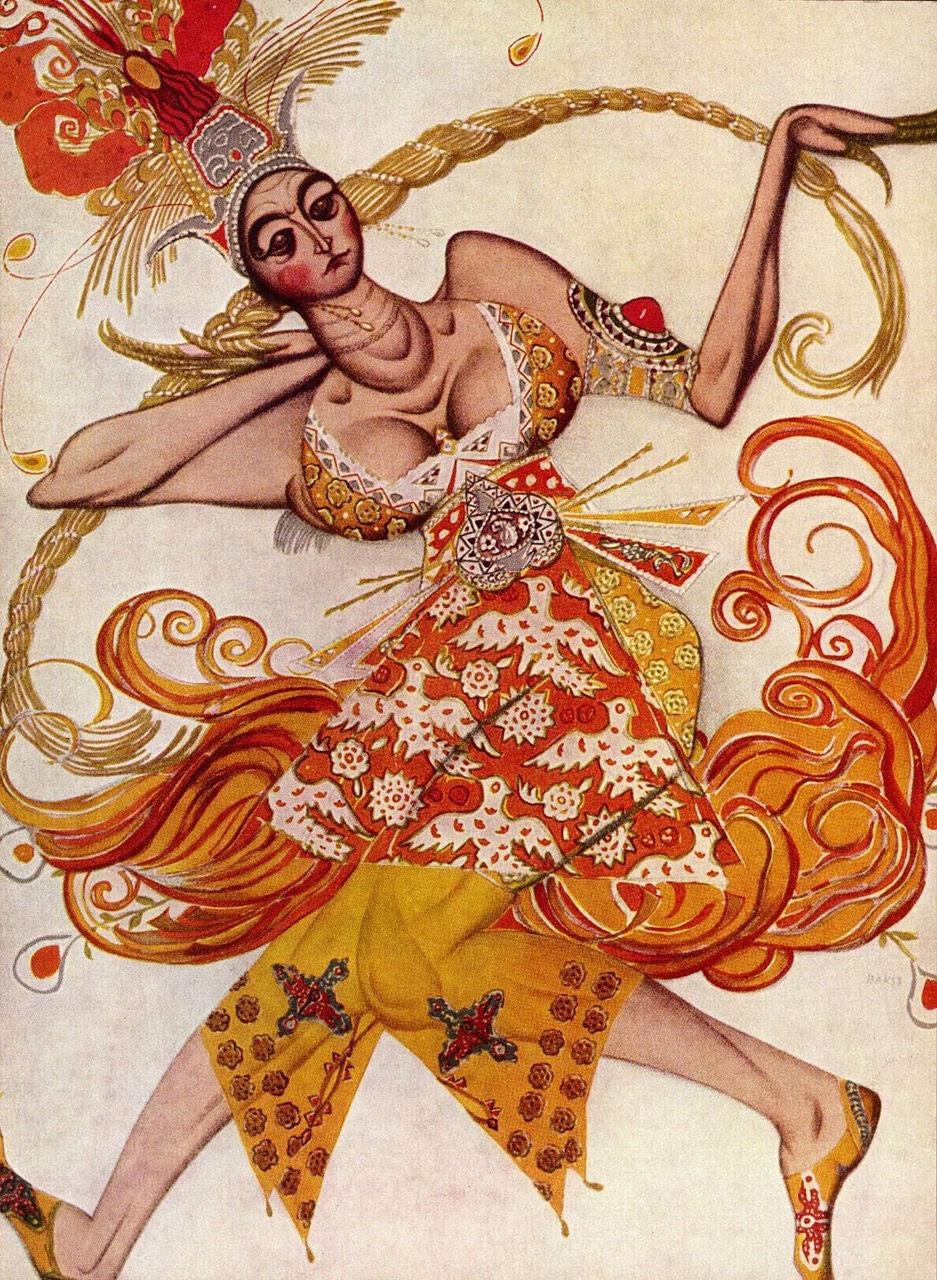 This lecture tells the remarkable story of the fabled Ballets Russes company, which Diaghilev established in Paris in 1909. Building on the achievements of Tchaikovsky and Petipa, Diaghilev brought about nothing less than a revolution in classical dance, which was dazzling to the eye and would have a lasting impact on all the arts. The lecture will discuss how artists of the calibre of Basket, Picasso and Matisse worked with composers such as Stravinsky, Debussy and Ravel, with choreographers such as Balanchine and with dancers such as Pavlova and Nijinsky to create ballet stagings of genius.
Lecturer: Rosamund Bartlett is a writer, lecturer and translator whose work ranges across the arts and across the cultures of Europe. Her career began as an academic in Slavi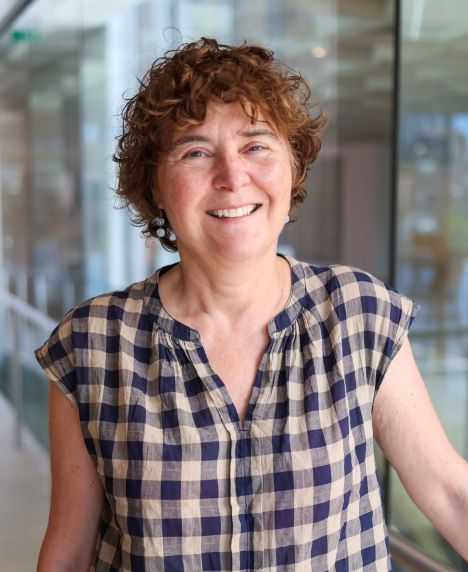 c studies after completing her doctorate at the University of Oxford. Rosamund has held Fellowships at the University Institute of Florence and at Brasenose. Rosamund is the author of several books, including biographies of Chekhov and Tolstoy and a study of Wagner’s influence in Russia. She is also an acclaimed translator, writing and translating music and literature. She is currently writing a book on the revolution in the arts that took in 20th Century St. Petersburg and Moscow, Kyiv and Odessa. Rosamund has led a number of tours throughout Europe and contributes regularly to Proms events and opera broadcasts on BBC radio. Rosamund has lectured from Oxford to the VA and as far as Sydney, Australia.
9 June 2027 — Moroccan Blue: why and how the country changed colour
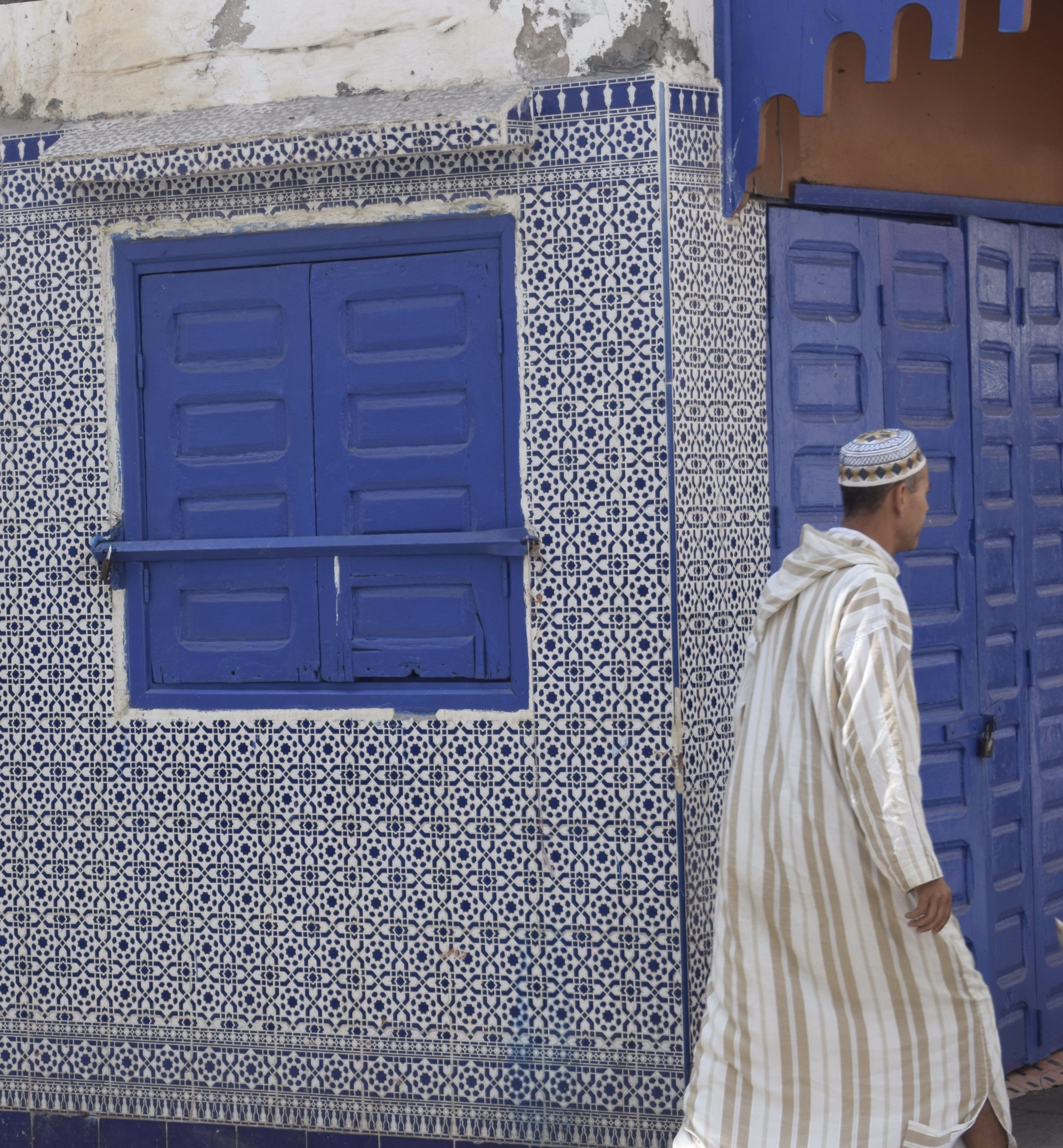 This lecture draws upon Elizabeth’s time in Morocco in visits spanning 25 years. The lecture focusses particularly on the stories behind the blue pigment used for the fishing boats and the doorways of the photogenic Essaouira on the Moroccan coast and the Majorelle Blue developed in Marrakech in the 1920s. The story of Moroccan Blue takes us from the Berber veils of Yves Saint-Laurent, who restored Majorelle’s Marrakech garden, via modernist Orientalist art and a protected mollusc….
Lecturer: Elizabeth Gowing studied at Magdalen before training as a teacher and working in a number of London schools. She moved to Kosovo in 2006 and worked at the Ethnological Museum in Pristi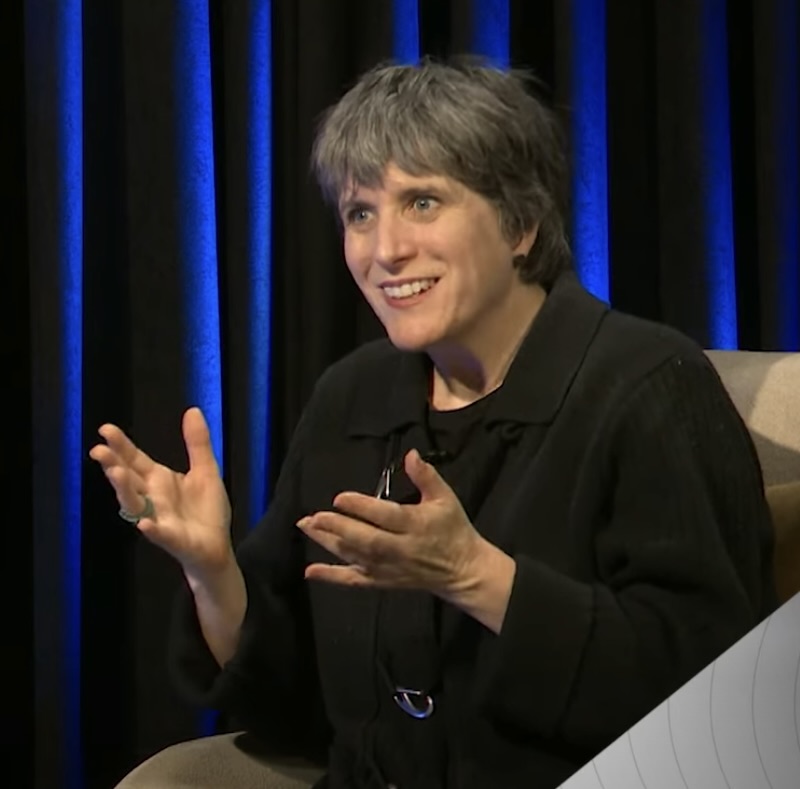 na where she founded a charity, “The Ideas Partnership”, working on education and heritage projects. Fluent in Arabic, Elizabeth translated and was an author of a number of books about Kosovo and its people. Her latest book is “No Mans Lands: 8 extraordinary women in Balkan history”. Elizabeth is a regular contributor to Radio 4 and The World Service. She has worked as a member of the Advisory Board for tour guides – an NGO for Kosovan guides.
8 Sep 2027 — AGM and the glories of ancient Rome
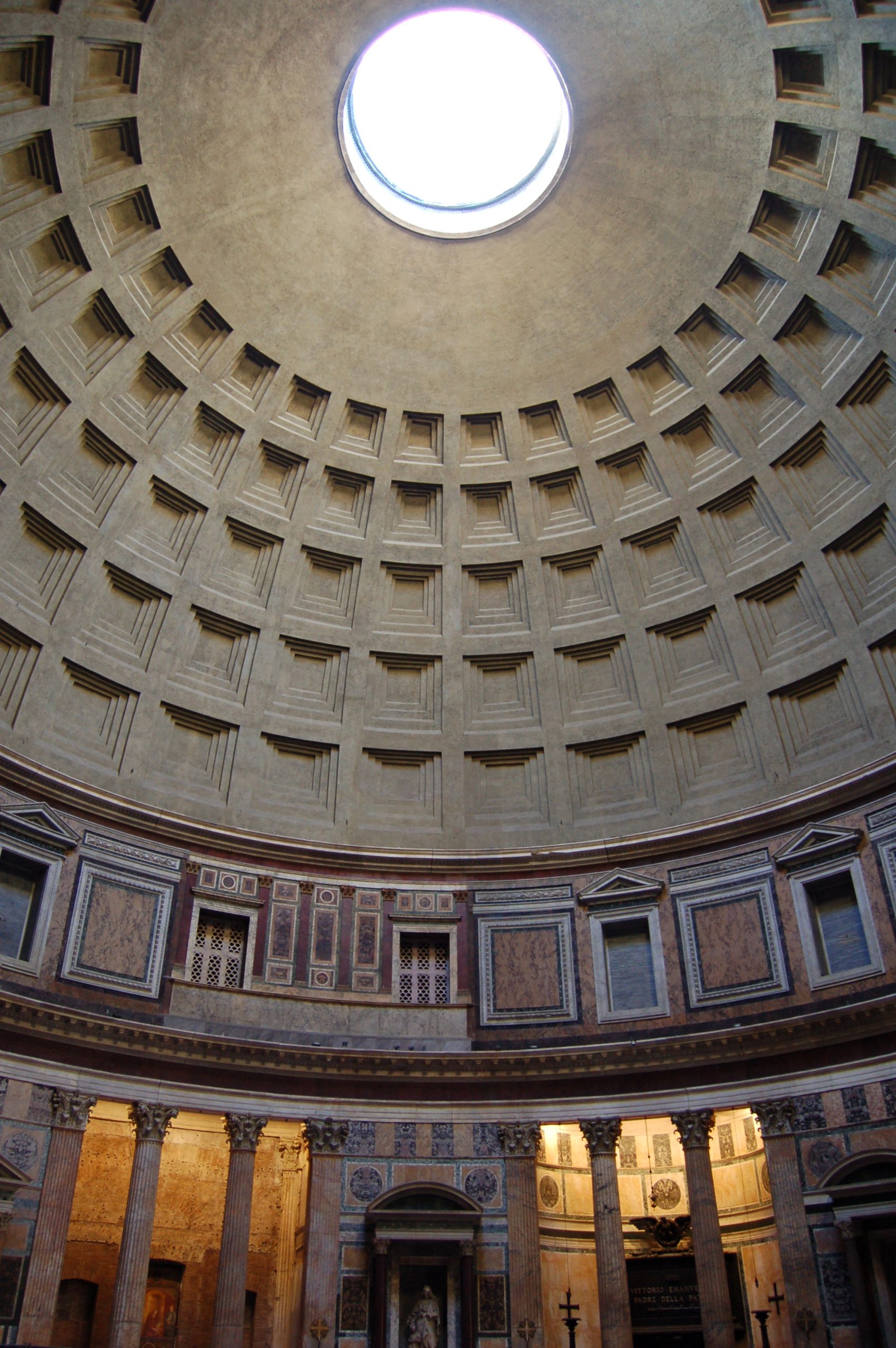 Rome, as we know, was not built in a day. It took centuries to construct the eternal city and Rome’s glorious monuments. Those who created them are the focus of this talk. From Augustus and Nero to Hadrian and Constantine, we will look at these eternally fascinating rulers, the good, the bad and the downright mad, finding out how and why these monuments were built and their impact on the people and the city. We’ll also learn the often-sad story of why they look as they do now. It is sometimes hard to see beyond the ruins of today; so we will go on a journey through Rome and its golden prime, using the masterpieces of Roman art and beautiful reconstructions and the emperors as our guides.
Lecturer: Paul Roberts was the Research Keeper in the Dept. Of Antiquities at the Ashmolean. 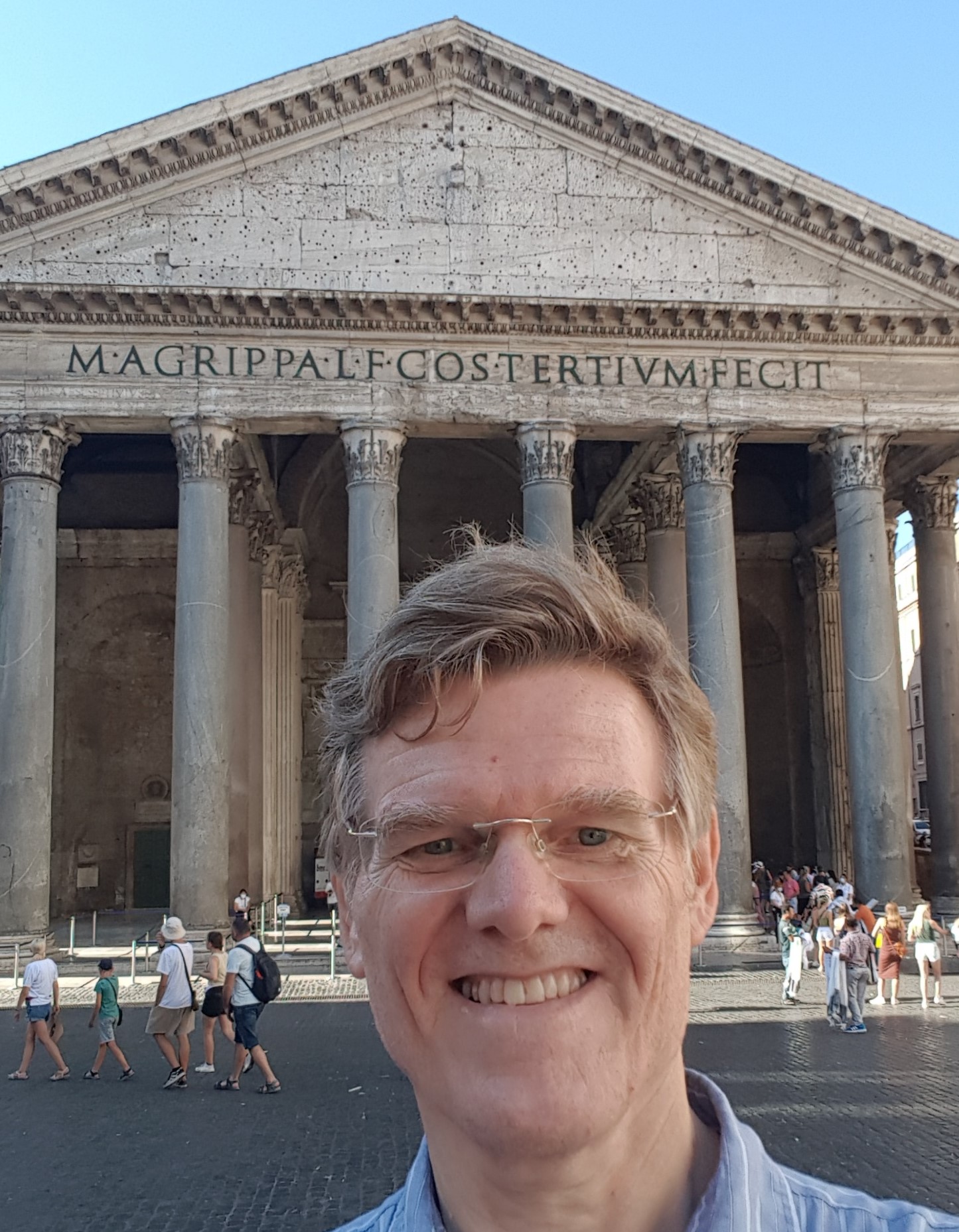 He has been a lecturer for the Arts Society for over 20 years and has also lectured on numerous cruises in the Mediterranean. Paul studied Classics at Cambridge and Classical Archaeology at Sheffield and Oxford. He has lived in Rome, teaching and researching. He has travelled throughout the Roman Empire as well as excavating in Greece, Libya, Turkey and particularly in Italy. His focus is on the lives of ordinary people and he has written several books on daily life in Pompeii and Herculaneum. Before his role at the Ashmolean, Paul was curator at The British Museum. At the Ashmolean, he has curated the reorganisation of the Roman and Greek exhibits. In addition, he helped to plan the 2026 TASO trip to Sicily.